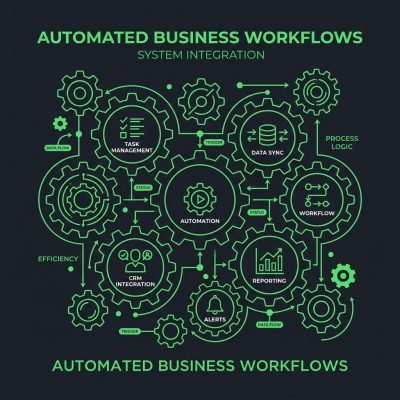
As we venture into 2026, the landscape for small businesses is rapidly evolving, with AI-driven workflow automation taking center stage. This powerful technology enhances efficiency, reduces costs, and propels productivity. In this detailed guide, we’ll explore what AI workflow automation entails, the steps to implement it, and the challenges that lie ahead, equipping you with the knowledge to seamlessly integrate AI into your small business operations.
What is AI Workflow Automation?
AI Workflow Automation refers to the use of artificial intelligence technologies to automate routine and repetitive tasks within an organization. By incorporating AI, these tasks-traditionally performed by humans-can be executed with higher speed and accuracy, freeing up human resources for more strategic roles. AI can handle tasks such as data entry, customer service through chatbots, inventory management, payroll processing, and much more.
Expanded Definition:
- Cognitive Abilities: AI can learn from data patterns, make decisions, and evolve over time.
- Machine Learning: AI systems improve with continued exposure to data, enhancing their efficiency.
- Natural Language Processing: Enables AI to understand and respond to human language, crucial for intelligent customer support systems.
Examples of AI Workflow Automation:
- Customer Support Chatbots: AI-powered chatbots can handle multiple customer inquiries simultaneously, offering instant responses and solutions, reducing the need for large customer service teams.
- Inventory Management: AI systems can track stock levels in real-time, predict demand, and even order supplies automatically when inventory runs low.
- Scheduling and Appointment Setting: AI tools can coordinate calendars, set appointments, and send reminders efficiently without human intervention.
Benefits of AI Workflow Automation
The adoption of AI in workflows offers numerous advantages:
- Cost Efficiency: Reduces the need for manual labor and minimizes errors that result in cost overruns.
- Operational Efficiency: Significantly cuts down time on routine tasks, allowing faster service delivery.
- Enhanced Accuracy: AI systems reduce human error, improving the overall quality and reliability of business operations.
- Scalability: AI systems can scale alongside business growth, accommodating increased workloads without a corresponding rise in costs.
Comparing AI Workflow Automation Tools
Choosing the right AI automation tool is crucial for successful implementation. Here’s a comparison of some leading solutions:
| Tool | Use Case | Key Features | Industries |
|---|---|---|---|
| Zapier | Web App Automation | Integrates with over 5,000 apps, easy automation | E-commerce, Startups |
| UiPath | Robotic Process Automation | Powerful RPA capabilities, scales enterprise-wide | Finance, Telecom, Healthcare |
| Hootsuite | Social Media Management | Automatic post scheduling, analytics insights | Marketing, Retail |
| ActiveCampaign | Email Marketing | Automated email marketing, CRM functionalities | E-commerce, Small Businesses |
Each tool offers unique benefits and can address specific needs, enabling small businesses to implement them in various facets of their operations.
How to Implement AI Workflow Automation
To integrate AI automation into your small business, follow this detailed step-by-step process:
1. Identify Repetitive and Time-Consuming Tasks
Begin by assessing your business operations. Identify tasks that absorb significant resources without adding substantial value. Common areas include customer service inquiries, invoice processing, and social media management.
2. Research and Choose Appropriate AI Solutions
Invest time in comparing AI tools that can automate these tasks. Focus on:
- Compatibility: Ensure the tool can integrate seamlessly with existing software.
- Ease of Use: Prioritize user-friendly interfaces that require minimal learning curves.
- Customizability: Opt for solutions that can be tailored to your specific business needs.
3. Design a Clear Automation Blueprint
Outline how each AI tool will be used within your workflow. Define processes, inputs, and desired outcomes. This blueprint will serve as a guide during the implementation phase.
4. Implement the Solutions
Work with an integration team to deploy these tools. Conduct pilot testing on small-scale projects to evaluate functionality before full-scale implementation. Ensure all systems are connected and operating cohesively.
5. Train Your Workforce
Successful implementation hinges on your team. Educate employees on the new tools, offering training sessions, online resources, and ongoing support.
6. Monitor Performance and Optimize
Set up metrics to measure the impact of AI systems on productivity and cost savings. Use these insights to optimize processes continually and address any emerging challenges or inefficiencies.
Addressing Challenges in AI Workflow Automation
Introducing AI into your small business can present several hurdles:
- Data Security and Privacy: Safeguarding sensitive information in an AI-driven context is paramount. Implement robust cybersecurity measures.
- Initial Investment Costs: While long-term savings are notable, the initial setup costs can be substantial. Look for scalable pricing options and ROI calculations.
- Integration Challenges: Compatibility with existing systems may require custom development.
- Employee Adaptation: Resistance to change can be mitigated through effective training and involvement in decision-making.
Managing these challenges with thorough planning and a proactive approach can ensure a smoother transition.
Best Practices for AI Automation
Adopting AI is an ongoing process. Use these best practices for optimal results:
- Pilot Smaller Projects: Test automation on limited processes before extensive deployment, minimizing risk and enhancing learning.
- Focus on High-Impact Areas: Prioritize automation in areas with the greatest potential for productivity improvements and cost savings.
- Encourage Employee Feedback: Involve your team in evaluating AI tools, fostering ownership and reducing resistance.
- Continuously Update Systems: Regularly update AI systems to incorporate the latest technological advancements and security protocols.
The Future of AI Workflow Automation for Small Businesses
The next chapter in AI technology promises exciting developments that will further transform small business operations:
- Voice-Activated AI Systems: These will enable hands-free operation, particularly valuable for hands-on industries.
- Hyper-Personalized Marketing Strategies: AI will drive tailored strategies by analyzing customer behaviors and preferences, delivering targeted messages.
- AI-Powered Advanced Analytics: These tools will unlock deeper insights, empowering businesses to make data-driven strategic decisions.
Conclusion
AI workflow automation represents a catalyst for transformative change in small businesses as we enter 2026. By implementing these innovative solutions strategically, small businesses can enhance operational efficiency, scale effectively, and maintain a competitive edge in their industries. Start your AI journey today and unlock the full potential of technology-driven operations.