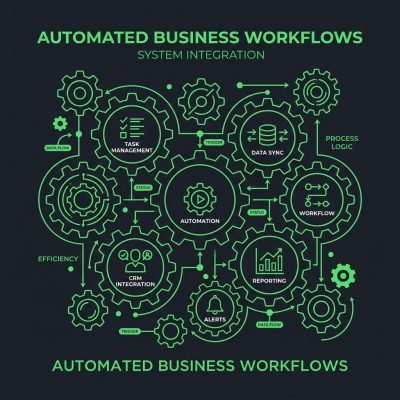
As technology advances and markets evolve, small businesses face increasing pressure to optimize efficiency and maintain a competitive edge. AI workflow automation emerges as a powerful tool in this scenario. At its core, AI workflow automation involves the use of artificial intelligence to automate repetitive tasks, streamline operations, and improve business outcomes. This article explores the transformational impact of AI workflow automation on small businesses by 2026, providing deep insights and actionable strategies for implementation.
Why is AI Automation Important for Small Businesses?
Harnessing AI for automating workflows is essential for the sustainability and growth of small businesses. Here’s why:
- Cost Efficiency: Automating labor-intensive tasks results in significant cost savings, reducing the overheads associated with staffing.
- Enhanced Productivity: With AI taking over routine tasks, employees can focus on more strategic, creativity-driven roles.
- Accuracy and Consistency: AI systems minimize errors that are typical in human-performed tasks, ensuring reliable outcomes.
- Scalability: As business demands grow, AI tools scale effortlessly to meet increasing workloads without the need for additional human resources.
- Data-Driven Insights: AI provides advanced analytical tools that help in extracting actionable insights from data, guiding strategic business decisions.
How Can Small Businesses Incorporate AI Automation?
Incorporating AI into business workflows requires a structured approach. Here’s a detailed roadmap:
1. Identify Repetitive Tasks
Pinpoint tasks within your organization that are repetitive and time-consuming. These often include:
- Data Entry: Transform manual data entry into efficient processes using AI-powered Optical Character Recognition (OCR).
- Routine Emails: Create AI systems to handle email responses, prioritize messages, and auto-sort them based on set criteria.
- Scheduling: Leverage AI for scheduling meetings and appointments by predicting optimal timings and minimizing scheduling conflicts.
2. Choose Appropriate Tools and Platforms
Selecting the right tools is crucial for the success of your AI integration. Here’s a comparison of notable AI automation tools:
| Tool | Best For | Key Features | Pricing |
|---|---|---|---|
| Zapier | Integration and Workflow | Simple interface, extensive app integrations | Freemium |
| Automate.io | Marketing Automation | Multi-step workflows, conditional logic | Paid |
| UiPath | Robotic Process Automation | End-to-end automation solutions | Enterprise |
| Monday.com | Project Management | Customizable workflows, analytics dashboards | Per User/Month |
Setting Up a Basic Automation Using Zapier
Zapier is an excellent choice for small businesses beginning their AI journey due to its user-friendly interface and extensive app integration capabilities. Here’s a step-by-step walkthrough:
- Sign Up and Log In: Create an account on Zapier’s website. Log in to access the dashboard.
- Create a New Zap: Click on “Make a Zap!” This begins the setup of a new automated workflow.
- Choose a Trigger App: Select an app as a trigger (e.g., Gmail). Set an event that will initiate the workflow, like receiving an email.
- Configure the Trigger App: Follow the on-screen prompts to authenticate and customize the trigger settings.
- Select an Action App: Choose another app where the action should occur (e.g., Google Sheets). Specify the action, such as creating a spreadsheet row.
- Configure the Action App: Authenticate and customize how the data from the trigger app should be processed in the action app.
- Test Your Zap: Zapier allows testing to ensure your integration works correctly before going live.
- Turn On Your Zap: Once tested, activate it. Now, every time the trigger event occurs, the specified action will automatically execute.
3. Customize Workflows
To maximize the benefits of AI workflows, tailor them to fit your business:
- Map Current Processes: Decompose existing processes to identify where AI can be most effective.
- Set Clear Objectives: Define success metrics such as error reduction rates, time saved, improved client satisfaction, or cost reductions.
- Prioritize Key Areas: Focus on automating areas with the greatest potential for ROI.
4. Integrate and Test
Integrate AI tools into current workflows and conduct rigorous testing:
- Simulation Testing: Create a parallel test environment to refine your automated processes.
- Gather Feedback: Engage employees to provide feedback on the system’s efficiency and usability.
- Iterate and Improve: Based on the test results and feedback, continuously refine the workflows for optimal performance.
What Challenges Can Small Businesses Expect?
Adopting AI workflow automation can present several hurdles:
- High Initial Costs: Setting up AI systems can require significant upfront investment.
- Resistance to Change: Employees might resist transitioning from familiar routines to new automated systems.
- Data Security Risks: Automation involves handling sensitive data, necessitating robust security measures.
- Skill Deficiencies: The workforce may need new skills to interact effectively with AI technologies.
How to Overcome These Challenges?
- Budget Strategically: Implement low-cost or phased solutions while planning for gradual returns on investment.
- Training Programs: Develop comprehensive training programs to ease the transition for your workforce.
- Enhanced Security Measures: Work with cybersecurity experts to design robust data protection strategies.
- Structured Implementation: Roll out AI tools incrementally, allowing time for adjustment and acceptance.
What is the Future of AI Workflow Automation?
The future holds exciting prospects for AI workflow automation, particularly for small businesses:
- Smarter AI Assistants: Enhanced natural language processing will lead to more capable virtual assistants that understand complex inquiries.
- Predictive Analytics: AI’s ability to predict market trends and customer behaviors will result in more informed business strategies.
- Total Process Automation: Emerging technologies will allow businesses to automate processes end-to-end, yielding unprecedented efficiency.
By 2026, AI workflow automation will become an indispensable element for small businesses aiming to thrive in a competitive environment. Its implementation not only streamlines operations but also empowers businesses to remain agile and responsive. Embracing AI now positions companies to harness future opportunities and tackle emerging challenges with confidence.